
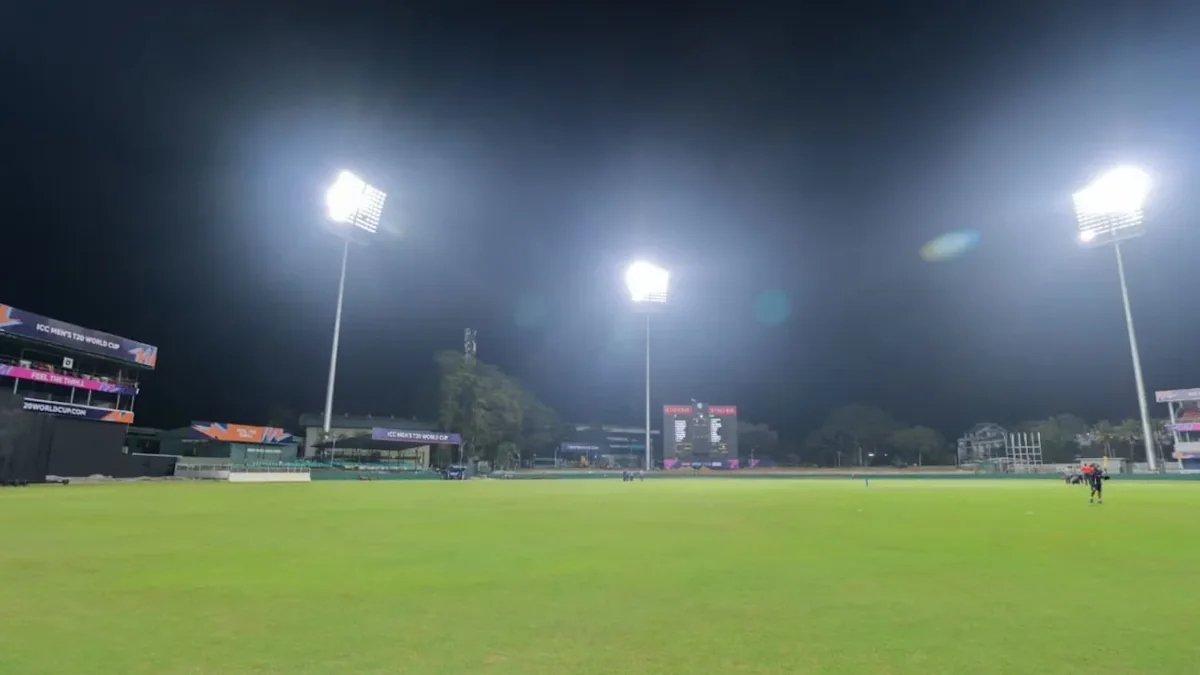
Searches for live cricket exceed one million queries monthly across Bangladesh, fueling huge in-play wagering volume. Watching decimal odds leap dramatically after a surprise wicket or boundary six feels thrilling. Yet countless mobile bettors lose Taka simply because they misunderstand broadcast latency, suspension locks, and bet-delay countdowns. Check our Cricket Hub for full market foundations.
How pitch-side feeds trigger instant market suspensions
Players staring at grey "Suspended" banners often blame their phone signal or app bugs. Actually, suspension locks protect exchange market-makers from latency exploitation. Every normal delivery triggers a quick micro-lock lasting a few seconds.
Boundary replays, run-out checks, and Decision Review System appeals trigger much longer holds. Whenever a captain signals for third-umpire review under ICC DRS protocols, trading bots freeze open order books immediately. Prices reopen only after the giant stadium screen flashes Out or Not Out.
Even no-ball checks and umpire concussion protocols keep markets locked for minutes. Any unmatched exchange orders sitting open get swept cleanly once a wicket falls. Attempting to spam Submit during red suspension banners never bypasses server validation checks.
Broadcast delay versus real-time exchange pricing
That encoding delay ruins impulsive mobile bettors every evening. When you cheer a crisp cover-drive boundary on your phone screen, the live odds board already shifted 20 seconds earlier. Submitting a hasty slip thinking you spotted momentum early merely buys stale prices after algorithms adjusted.
Sportsbooks add a mandatory 5-to-8-second acceptance countdown spinner onto every live bet slip too. If a wicket falls while your spinner ticks from three seconds toward zero, servers reject your order cleanly—or match worse odds if you toggled automatic acceptance.
Think carefully about what happens during that 6-second spinner. Only orders placed on calm dead-ball intervals clear reliably at quoted prices. Firing live slips mid-over exposes your wallet to sudden price slippage.
Understand how automated live cricket pricing models recalculate odds between deliveries too. Algorithms factor remaining wickets, current overs left, historical venue par, and strike-rate profiles of batters at the crease. One tactical boundary drop or wide full-toss can jump chasing odds fifteen ticks immediately. Even a single dot ball during overs 17 to 19 pushes chasing probabilities noticeably higher.
Watch live pricing traps during tight dot-ball phases between overs 11 and 15. Amateur bettors see three quiet overs and assume the chasing batting side has collapsed mentally. Yet modern middle-order finishers routinely hold strike before attacking weaker fifth-bowler overs late. Misreading pacing leads to premature lay entries right before 20-run acceleration bursts hit.
| Signal Source | Typical Latency Behind Pitch | Market Status on Delivery | Practical Betting Implication |
|---|---|---|---|
| Pitch-Side Stadium Scout | 0.5 – 1.5 seconds. | Triggers immediate ball lock. | Drives automated price resets. |
| Exchange Direct Odds Feed | 1.5 – 3.0 seconds. | Updates right as lock lifts. | Shows true current market price. |
| DTH Satellite Television | 6 – 12 seconds. | Often behind wicket suspension. | Too slow for ball-by-ball sniping. |
| OTT Video App on BD 4G | 18 – 35 seconds. | Far behind live order book. | Never trade off video reactions. |
Fast 4G internet lets you click a bet the instant a batter hits a catch before the odds platform reacts.
Your stream lags 15–30 seconds behind stadium scouts, and every live slip faces a 5–8 second delay timer that voids bids if a wicket hits the live feed.
Evaluating mobile 4G speed versus Android app performance
Connection stability across Dhaka, Chattogram, and district towns fluctuates sharply during peak evening match hours. Streaming HD video inside the same mobile browser tab as your betting slip clogs packet delivery during death overs. Keep video playback on a separate television or secondary device while keeping your mobile screen light.
If you trade live matches on Android, compare dedicated APK speed against Chrome mobile web inside our Bangladesh cricket app guide. Most importantly, switch off "Accept Any Odds" inside slip settings so sudden 30-tick spikes never fill automatically at poor value.
Disable background phone app updates and low-power battery savers during live innings too. Aggressive Android battery savers throttle background WebSocket ticks, showing stale odds that force repeated slip rejections.
Switch Wi-Fi off when traveling if weak router walls cause packet drops mid-over. A stable single-SIM 4G connection inside an open room often holds steadier WebSocket sync than congested apartment Wi-Fi routers. Whenever a browser ladder stalls for over five seconds, reload the frame cleanly before tapping any new stake button.
Why chasing overs between balls drains bankrolls
Each live exit surrenders spread value unnecessarily. Suppose a user panics after two dot balls, taps early settlement, and buys back in two boundaries later at worse prices. Inspect our cash-out fee math and session runs guide to see how over-trading bleeds capital.
Notice also how cognitive fatigue sets in after two hours of live screen watching. Staring at flickering decimal boxes pushes casual users into reckless over-by-over coin flips. Stepping away for ten minutes between innings resets perspective cleanly.
Setting hard pre-match price alerts stops screen hypnosis before it begins. Decide beforehand what decimal quote justifies adding risk if an early opener falls inside over three. Writing two entry levels on paper turns emotional live chaos into simple mechanical execution when prices reach your mark.
Handling rain delays, Super Overs, and voided live tickets
Verify Duckworth-Lewis-Stern par targets before placing live tickets under cloudy skies. Even a brief 20-minute drizzle can drop a chasing team's target by 12 runs while altering momentum completely. Always check whether minimum overs (5 overs in T20, 20 overs in ODIs) are likely to complete before committing fresh BDT.
Super Over tie-breakers introduce another sudden live liquidity shock at the end of close T20s. Both sides name three batters and one bowler within minutes after the 40th over closes. Match-odds prices jump rapidly from 1.95 to 1.40 across six chaotic deliveries, leaving little time for calm bankroll sizing. Sit out chaotic Super Over ticks unless pre-set rules cover tie scenarios.
Keep withdrawals smooth post-match by sticking to verified personal MFS rails detailed in our Nagad cashier guide.
Five disciplined rules for in-play cricket trading
- 1Trade strictly between overs. Submit orders during the calm 30-second bowling changeover rather than mid-over balls.
- 2Disable automatic odds acceptance. Force your slip to reject orders whenever prices move against you.
- 3Write target entry odds pre-match. Decide entry prices before kickoff instead of reacting to boundary spikes.
- 4Follow text ball feeds over video. Live text scoreboards update faster than buffered OTT streams on 4G towers.
- 5Cap live slips at three per match. Stop clicking reactive tickets after early losses to guard daily BDT limits.
Outsmart live market lag with pre-set entry points
Wait for calm over-break liquidity, keep "Accept Any Odds" disabled, and never chase ball-by-ball swings on delayed OTT video feeds.
18+Responsible gaming and player safeguards
Online casino games and cricket wagering are strictly restricted to adults aged 18 years and older. Treat every BDT deposit as discretionary entertainment spending rather than household income or debt recovery.
Fast live markets tempt impulsive revenge bets after every wicket; fix a maximum of three in-play slips per match.
- Pre-session deposit caps: Lock a daily or weekly BDT limit in your account settings before starting any session; limit increases typically carry a mandatory cooling-off period.
- 24-hour self-exclusion: Account cool-off and self-exclusion tools apply across mobile browser, Android APK, and desktop logins within 24 hours of request.
- Confidential international support: Reach free, private guidance through GambleAware, GamCare, or Gambling Therapy.
Read our complete Bangladesh responsible gaming & self-exclusion guide before funding your wallet.
Frequently asked questions
These verified People Also Ask answers reflect live Bangladesh search questions and factual cashier, RTP, and compliance rules verified for Live cricket in-play betting: suspension windows and delay facts.
Why does my live cricket bet stay on a 6-second countdown?
Sportsbooks and exchanges impose a mandatory 5-to-8-second live bet delay so pitch-side viewers cannot snipe pending deliveries or unconfirmed wicket appeals.
Why do odds say Suspended while the batter is still walking back?
Stadium data scouts transmit delivery states instantaneously. The market locks before video streams even show the bowler reaching the popping crease.
Should I enable Accept Any Odds Changes for live betting?
No. Enabling blind odds acceptance can execute your Taka stake at sharply worse decimal prices if a boundary or wicket hits mid-countdown.
Is it better to trade live cricket between overs or mid-over?
Trading during the 30-second break between overs gives calmer order-book liquidity and prevents accidental mismatches during live ball locks.
How much data lag occurs on Bangladeshi 4G cricket streams?
OTT streaming apps over mobile 4G frequently lag 18 to 35 seconds behind real stadium action, making reactive stream-based betting mathematically unviable.